Kacchu: The Intricate Craftsmanship Of Japanese Samurai Armor
Hello, fellow katana enthusiasts and samurai culture lovers! Today, we're embarking on a journey into the world of Kacchu, the traditional armor worn by samurai warriors. Whether you're a seasoned martial artist or simply captivated by the elegance and history of samurai traditions, Kacchu offers a rich tapestry of design, symbolism, and heritage that continues to inspire admiration and respect.
What is Kacchu?
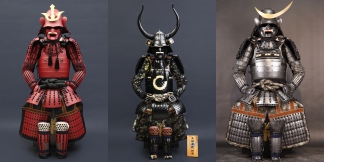
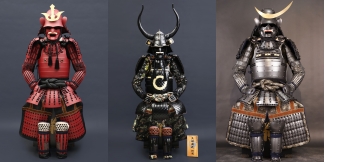
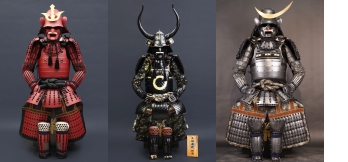
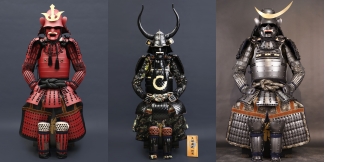
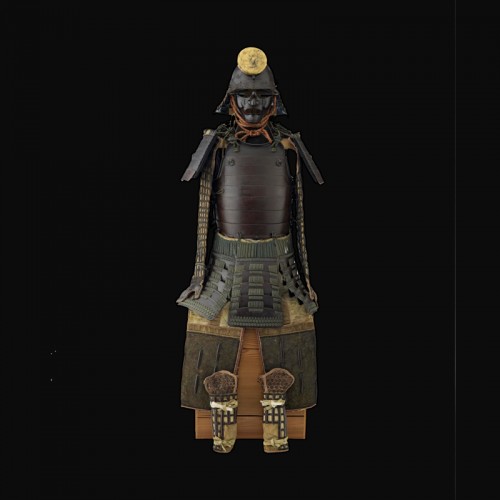
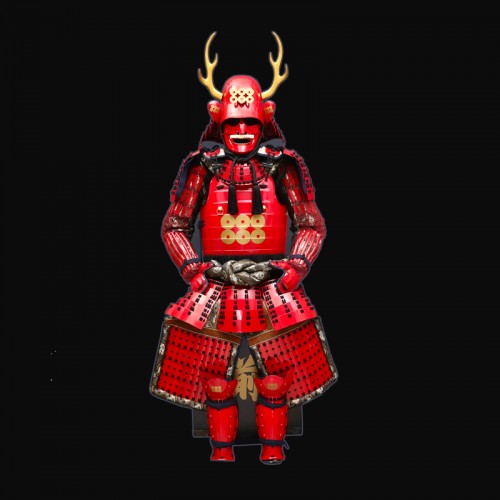
Kacchu, a term used to describe the traditional armor worn by samurai, is a symbol of the warrior's strength, skill, and honor. The word "Kacchu" encompasses various styles and designs of armor that evolved over centuries, each reflecting the unique requirements and aesthetics of different historical periods. These meticulously crafted armors were not only functional but also works of art, representing the samurai's identity and values.
Evolution of Kacchu
The evolution of Kacchu armor spans several historical periods, each contributing to its development and refinement:
- Heian Period (794-1185): Early samurai armor, known as "Ō-Yoroi," was designed for mounted archers and provided extensive protection with large, cumbersome plates.
- Kamakura Period (1185-1333): The armor became more streamlined and practical, with the introduction of "Dō-maru" and "Haramaki" styles that allowed greater mobility.
- Muromachi Period (1336-1573): Armor continued to evolve with improved materials and techniques, reflecting the increased use of infantry in warfare.
- Azuchi-Momoyama Period (1568-1600): This period saw the peak of armor craftsmanship, with elaborate designs and decorations influenced by cultural exchanges with Europe.
- Edo Period (1603-1868): With the relative peace of the Edo period, armor became more ceremonial, emphasizing aesthetics and status rather than battlefield functionality.
Design and Components of Kacchu
Kacchu armor is renowned for its intricate design and craftsmanship. Key components include:
- Dō (Cuirass): The main body armor, often constructed from lacquered metal or leather scales laced together with silk or leather cords. The dō provided robust protection while allowing for greater mobility.
- Kabuto (Helmet): Helmets from this period are particularly famous for their elaborate crests and decorative elements, which often symbolized the wearer's clan or personal motifs.
- Sode (Shoulder Guards): Large, rectangular shoulder guards that offered protection and were often adorned with family crests and artistic designs.
- Kote (Armored Sleeves): Sleeves that protected the arms, featuring fine chainmail or small metal plates for flexibility and defense.
- Haidate (Thigh Guards): Thigh protectors made from small, overlapping plates of metal or leather.
- Suneate (Shin Guards): Shin guards designed to protect the lower legs, crafted with both durability and mobility in mind.
The materials used in Kacchu construction included lacquered iron, leather, silk, and gold leaf, showcasing the period's dedication to both functionality and artistic beauty.
Symbolism and Cultural Significance
Kacchu armor was not only practical but also deeply symbolic. The elaborate designs and decorations often reflected the wearer's status, achievements, and affiliations. Family crests (kamon), mythical creatures, and nature motifs were commonly used to convey messages of power, loyalty, and valor.
This armor played a significant role in samurai culture, serving as a visual representation of a warrior's identity and values. Notable examples of Kacchu armor can be seen in historical texts and artworks, where they symbolize the era's blend of martial prowess and refined aesthetics.
Modern Appreciation and Legacy
Today, Kacchu armor is highly prized by historians, collectors, and martial arts enthusiasts. Preserved examples of this armor can be found in museums and private collections, where they continue to inspire awe and admiration.
The influence of Kacchu extends to contemporary armor designs and samurai reenactments, where its historical significance and aesthetic appeal are celebrated. Modern craftsmen and martial artists draw inspiration from the intricate details and robust construction of Kacchu, ensuring that the techniques and traditions are preserved for future generations.
Personal Stories and Anecdotes
Historians and collectors who study Kacchu often share fascinating stories of discovery and restoration. One such tale involves a collector who acquired a rare piece of armor from this period and painstakingly restored it to its former glory, revealing the intricate craftsmanship and historical significance that had been hidden for centuries.
Conclusion
Kacchu is more than just an artifact; it's a testament to the ingenuity, artistry, and spirit of the samurai. Its rich history, intricate design, and enduring influence make it a timeless treasure for anyone passionate about samurai culture. Whether you're a martial artist, a historian, or simply an admirer of Japanese heritage, Kacchu offers a fascinating glimpse into the world of the samurai.
Thank you for joining me on this exploration of Kacchu. Stay inspired, stay curious, and keep the spirit of the samurai alive in all you do!
Feel free to let me know if you need any additional details or adjustments!